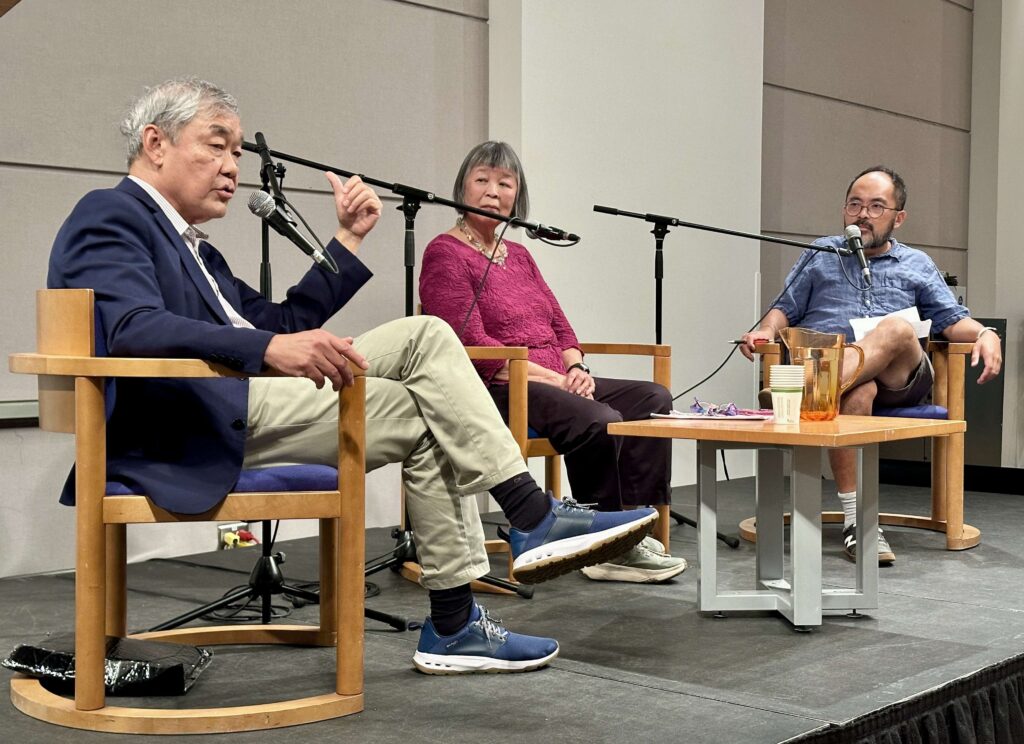
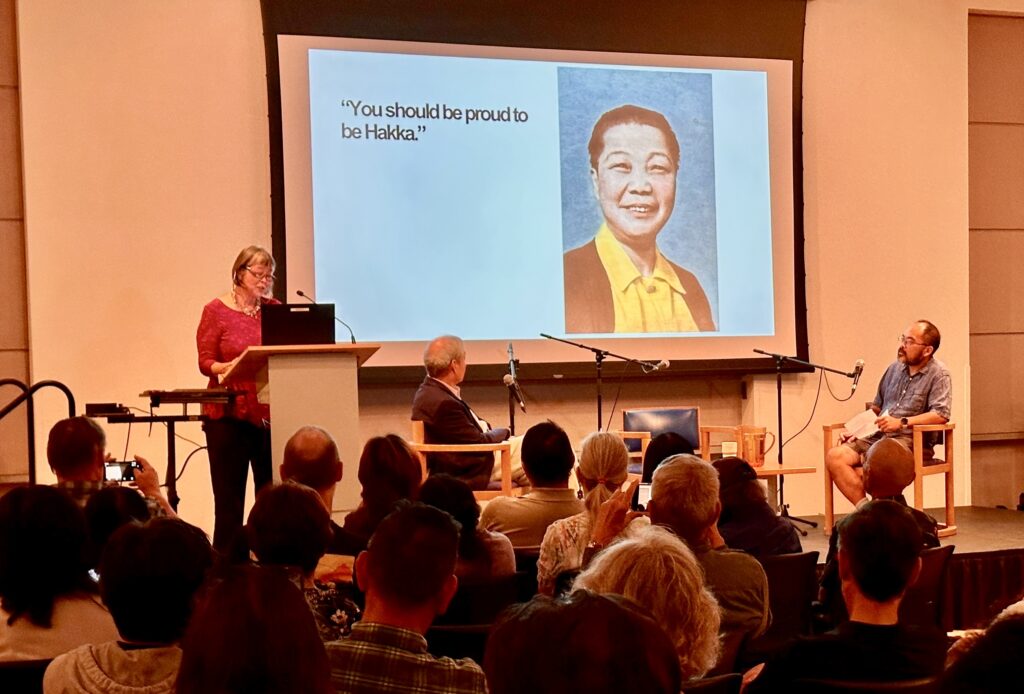
Cheuk Kwan, Linda Lau Anusasananan, Ali Hassan, and Judy Lam Maxwell will discuss Eating Globally: Chinese Cuisine at the Vancouver Public Library
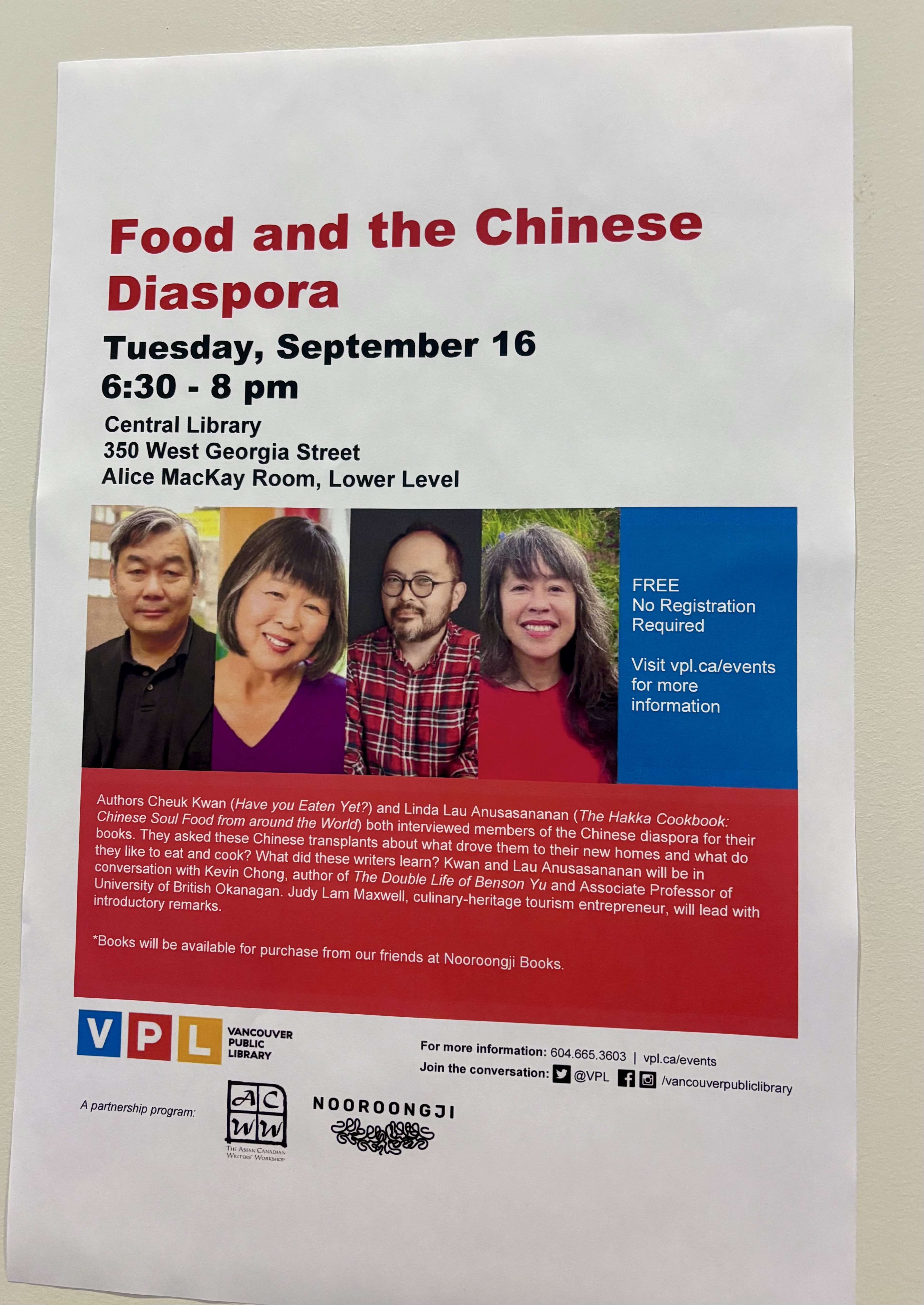
Vancouver friends, see you soon at Eating Globally: Chinese Cuisine at Vancouver Public Library on Tuesday 9/22/26. Author and filmmaker Cheuk Kwan and I will talk about eating Chinese food around the World. Comedian, author, and actor Ali Hassan will moderate. Judy Lam Maxwell, culinary heritage tourism entrepreneur will introduce us. Join us. Register soon, only a few seats left.
Cooks always look for an ingredient that magically transforms a dish. My cousin introduced me to a new one recently.
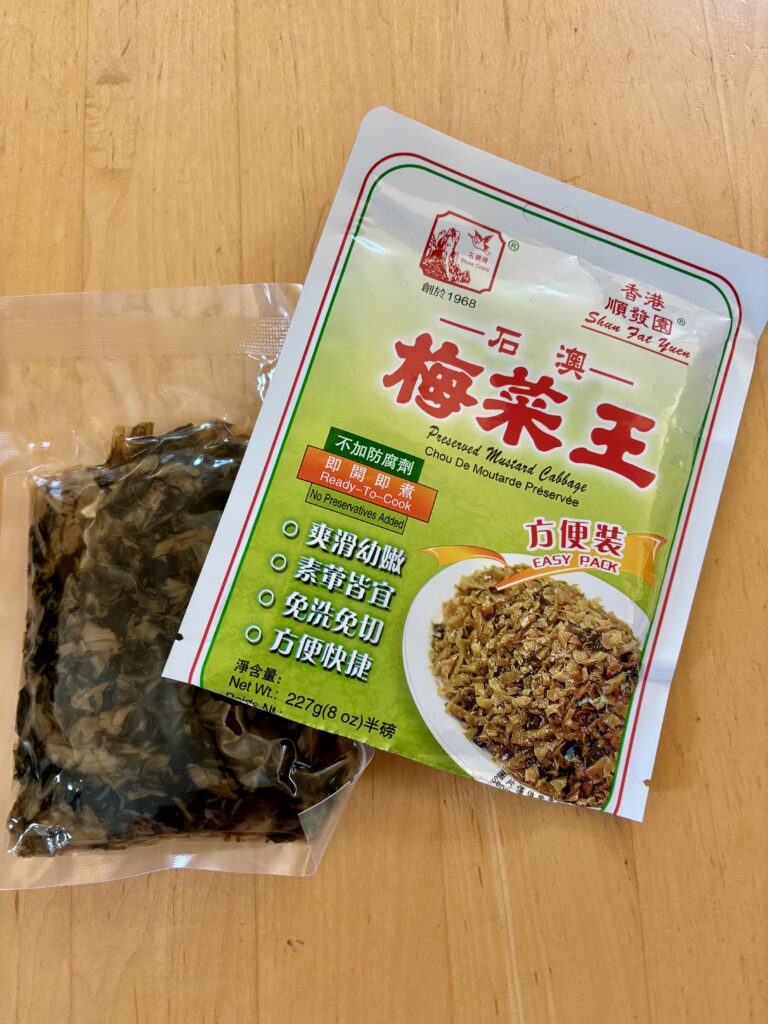
A new form of preserved mustard greens (also labeled mustard cabbage or vegetable) adds a distinctive salty-sweet pungency to simple foods easily and instantly. This new convenience product, Easy Pack Preserved Mustard Cabbage by Shun Fat Yuen and Stone Crane, needs no preparation. It is ready-to-cook, no soaking or chopping needed.
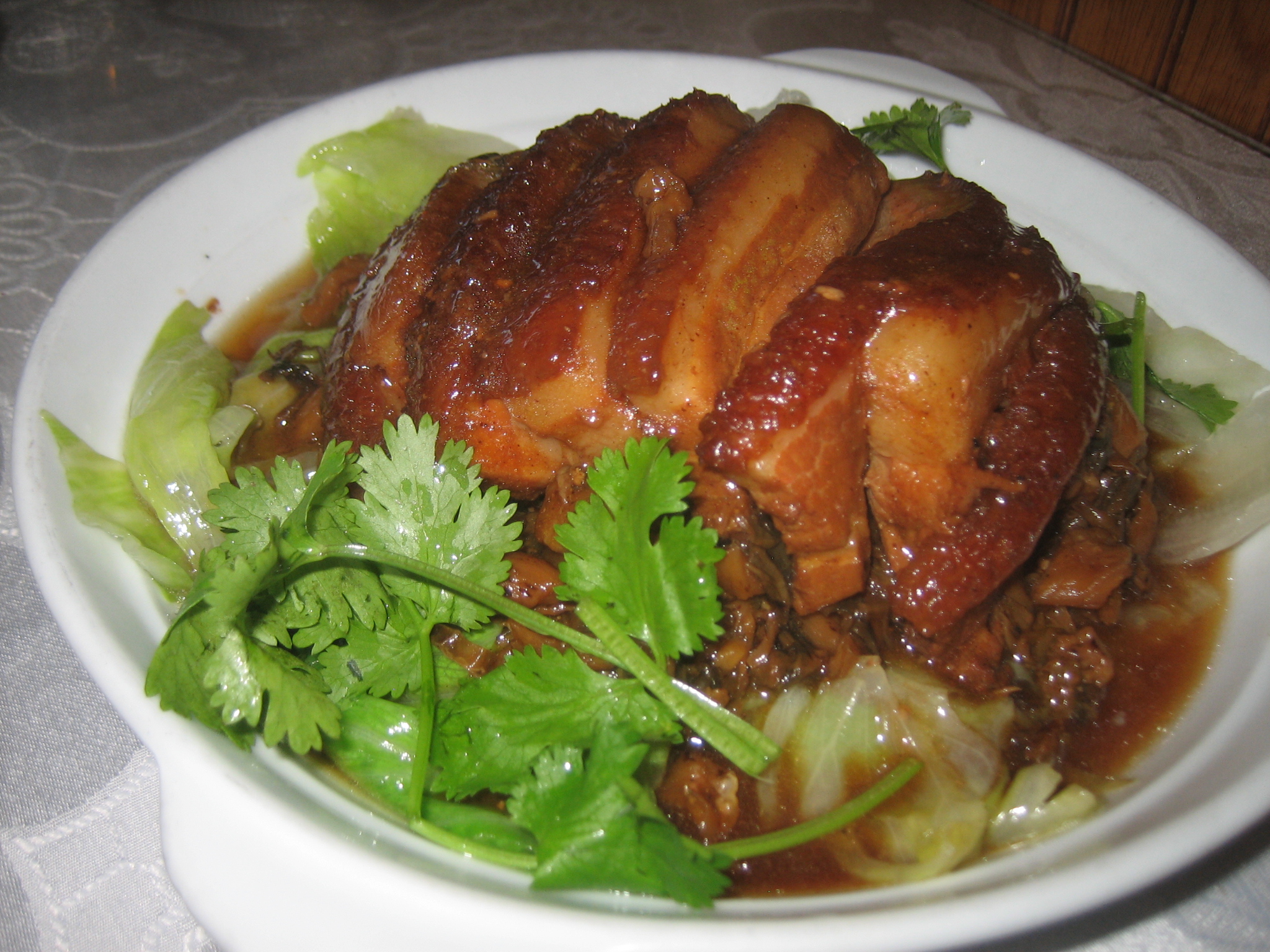
I had used their traditional preserved mustard greens to make the Hakka classic, Pork Belly with Preserved Mustard Greens (扣 肉 梅 菜 kiu ngiuk moi choi or kou rou mei cai). The preserved vegetable contributes a distinctive salty sweet pungency that is essential to balance the richness of the pork in this dish. Traditionally whole heads or trimmed hearts of mustard greens, preserved in salt and sugar, then dried, are used in this dish. To prepare them, soak the vegetable an hour or more to soften, rub to remove salt and grit, then chop.
Consider adding the ready-to-use preserved greens to simple dishes such as stir-fried vegetables, braised or steamed meats, with eggs, cooked with tofu, and in won ton and dumpling fillings. The preserved mustard greens instantly imbue the dish with an extra depth of savory flavor. Look for it in the Preserved/Pickled/Dried Vegetable section of Chinese supermarkets.
This new product eliminates the time-consuming steps, making it easy to use in quick dishes everyday. It’s an ingredient that can magically transform a dish. I especially like it in this Steamed Pork Hash.
Steamed Pork Hash with Preserved Mustard Greens
This steamed pork patty is a comforting and quick dish for a weeknight meal. Often Tianjin or Tienstin preserved vegetable or salted fish season the ground pork. Here, I’ve used the easy pack preserved mustard green to lace it with a deep savoriness. Serve with rice and lightly cooked Chinese broccoli (gailon) or other vegetable.
Makes: 4 servings as a main dish, 6 to 8 servings as part of a multi-course meal
1 pound ground pork 1/2 cup minced shallots or onion 1/3 cup Chinese rice wine (shaoxing) or water 3 tablespoons Easy Pack Preserved Mustard Cabbage by Shun Fat Yuen and Stone Crane 1 large egg 1 tablespoon soy sauce 2 teaspoons cornstarch 1/2 teaspoon sugar (optional) 1/2 teaspoon kosher salt 1/2 teaspoon ground white pepper Thinly sliced green onions
In a 9-inch wide shallow heatproof dish that will fit in a steamer such as a Pyrex pie pan, mix the pork, shallots, wine, preserved mustard greens, egg, soy sauce, cornstarch, sugar, salt, and pepper. Lightly pat the pork mixture into an even layer.
Set the dish on a rack over 2 to 4 inches boiling water in a steamer or wok (if bottom is round, place on a wok ring to stabilize). Cover and steam over high heat until the meat is no longer pink in center (cut to test) about 20 minutes. Watch the water level, adding more boiling water as needed. Carefully remove the dish from steamer. Sprinkle with the green onions and serve.
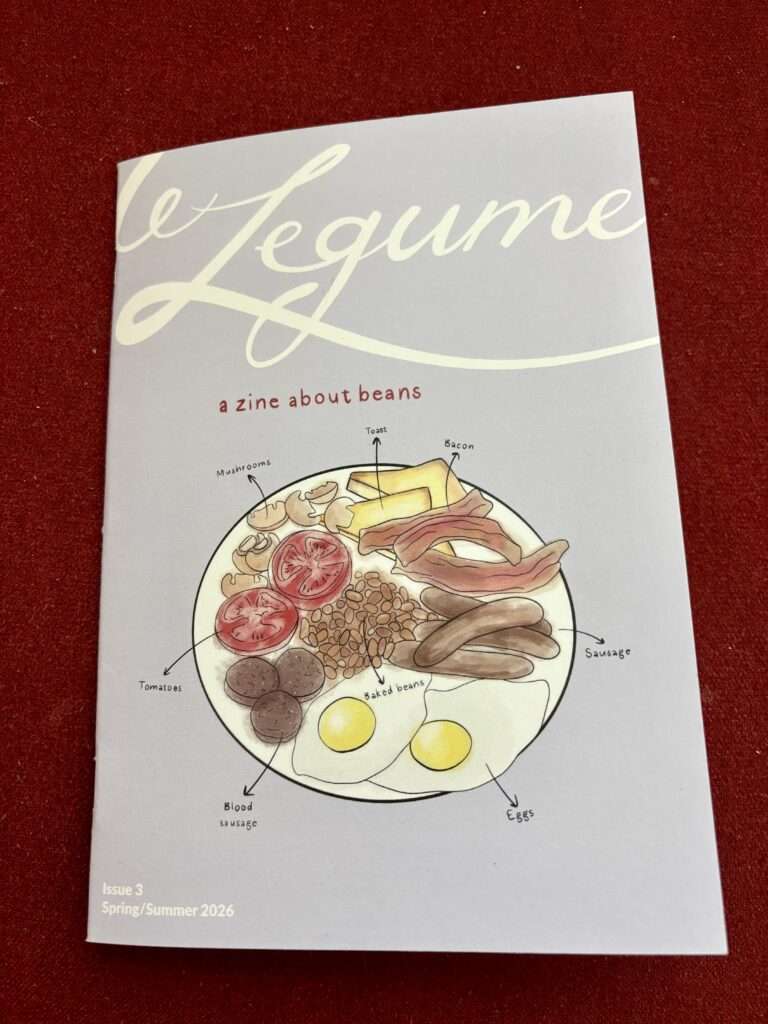
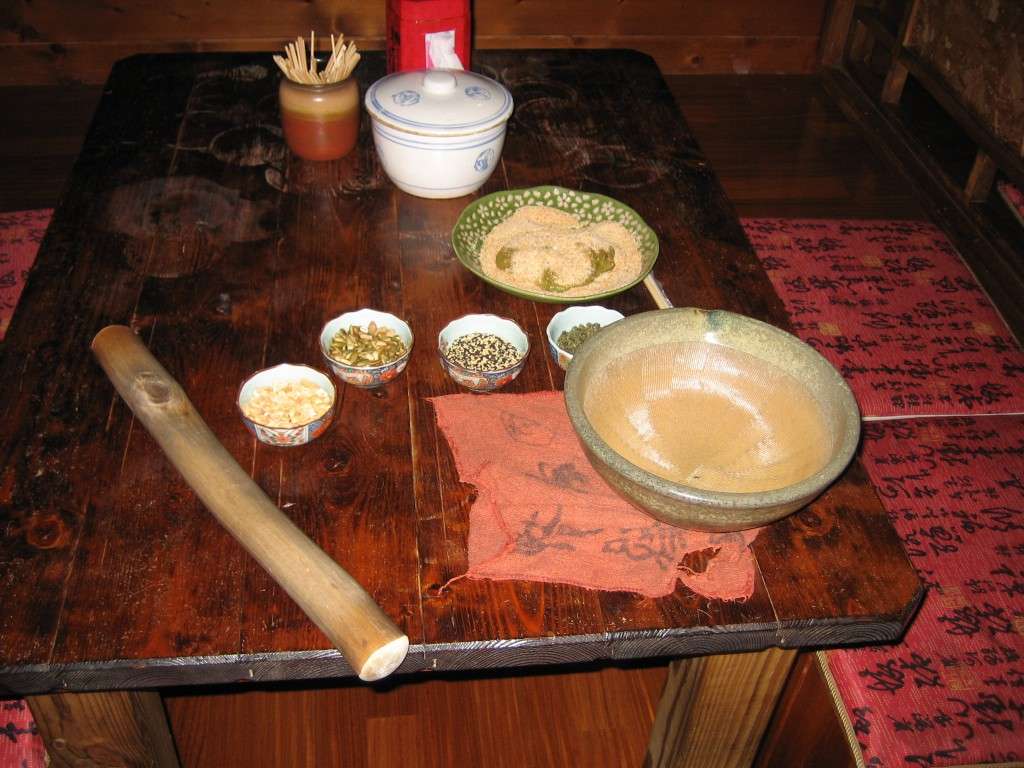
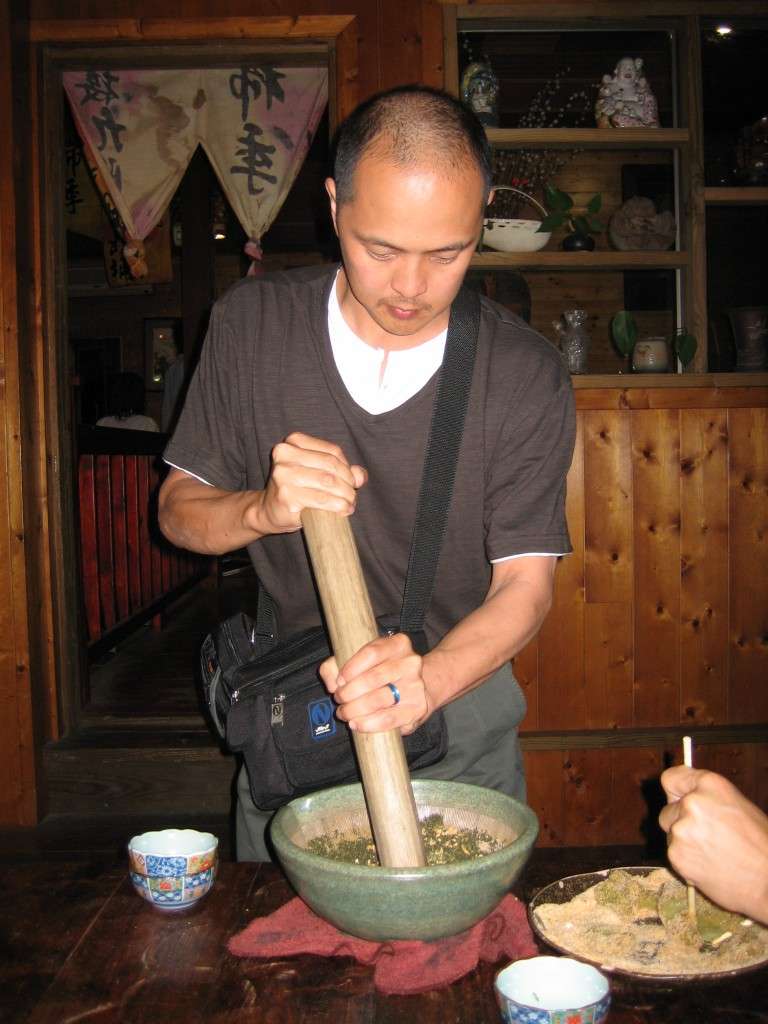
Beans in tea? I never really considered it until Kris Martins, a Brazilian-American food journalist in Washington DC interviewed me. She was researching beans in beverages for her zine about beans, Le Legume. She asked about the Hakka tea, lei cha (pounded tea). This tea gets its name from the pounding process to make it. With a mortar and pestle, pound tea leaves, nuts, and seeds to make a nutritious paste. Whisk in boiling water to make tea.
Beans in lei cha
In The Hakka Cookbook, I featured two versions of lei cha–one savory, one sweet. As I review the recipes, I see beans, although in rather minor roles.
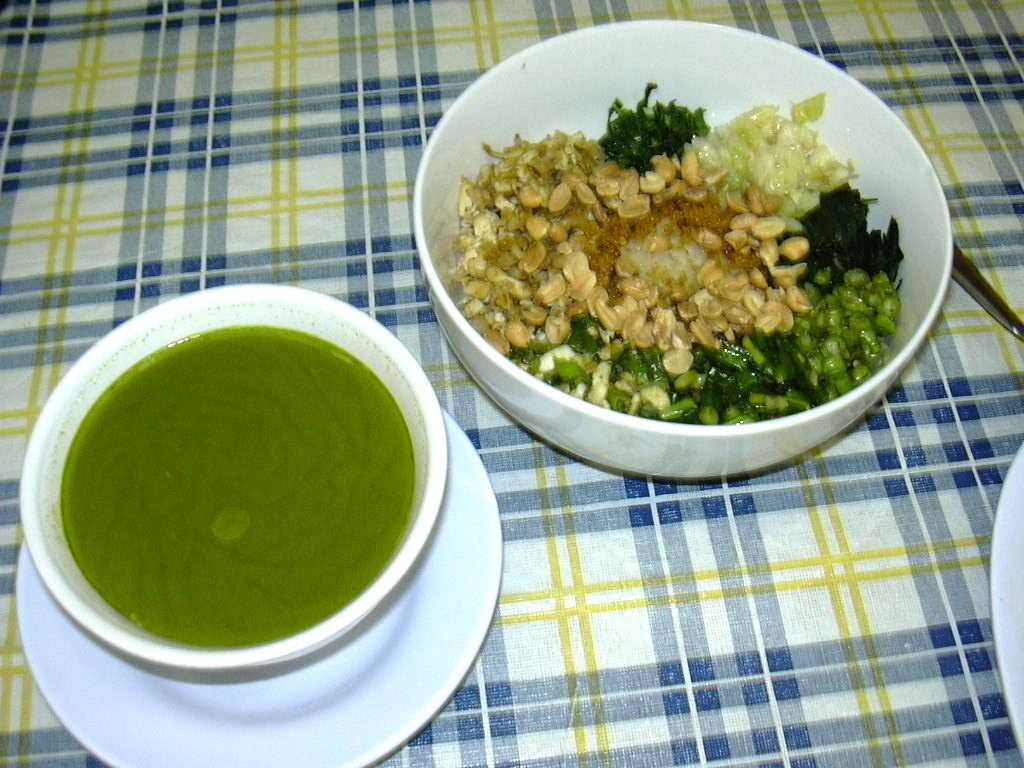
In Singapore and Malaysia, they add lots of fresh herbs to the tea-nut-seed paste to make a green herbaceous tea. A bowl of garlic rice topped with mounds of peanuts, preserved radish, tofu (made from dried soybeans), and a variety of stir-fried veggies (including fresh green beans) accompany the tea. To eat, pour the creamy green tea over the rice and mix together for a healthy and satisfying meal.
Another version I encountered in a Taiwan tea house is sweet. The pounded tea paste includes tea leaves, pumpkin seeds, peanuts, pine nuts, walnuts, and sesame seeds. It has no fresh herbs. Embellish the small bowls of the creamy grey-green tea with puffed rice and a sweet mixture with red beans, red dates, tapioca, goji berries, and candied ginger.
Set-up to make lei cha in Taiwan: a big stick for pounding; small dishes of nuts, seeds, tea leaves; a rough-sided bowl, and a cloth to keep bowl from slipping.In a tea house in Taiwan, he pounds tea leaves, nuts, and seeds to make paste, then adds boiling water to make a creamy tea.
Beans play a part in tea in the past and today. As I read Martin’s article, my view of beans in tea expands. In her article I learn mung beans were used in tea as early as the 14th century. And the custom of eating tea as a meal likely started more than 3,000 years ago according to Miranda Brown, professor of Chinese Studies at the University of Michigan. In Taiwan today, the company Leichacha expands the role of beans in lei cha. It blends a variety of roasted ground beans with tea to imbue the tea with a velvety texture and nuttiness.
If you love beans, follow Le Legume as Martins explores how beans serve as a door to explore other cultures and cuisines. To get a copy of the article and Le Legume, click this link.
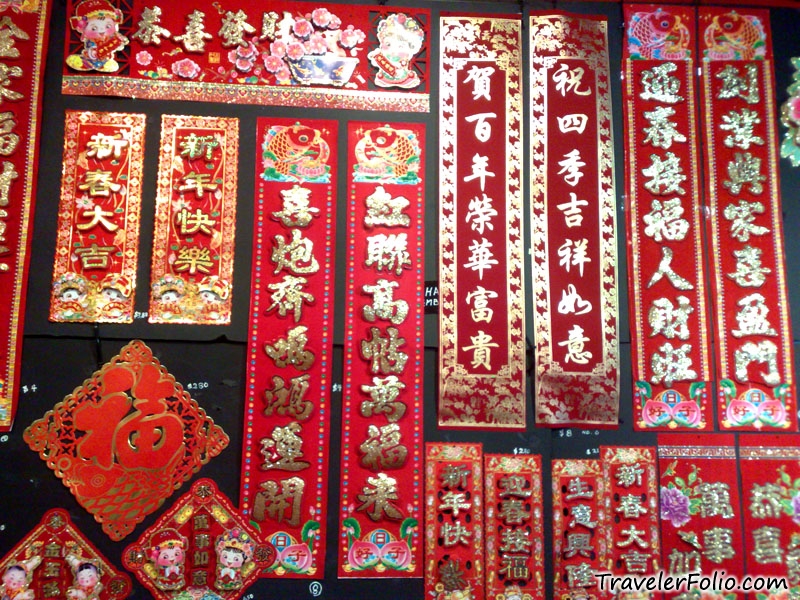
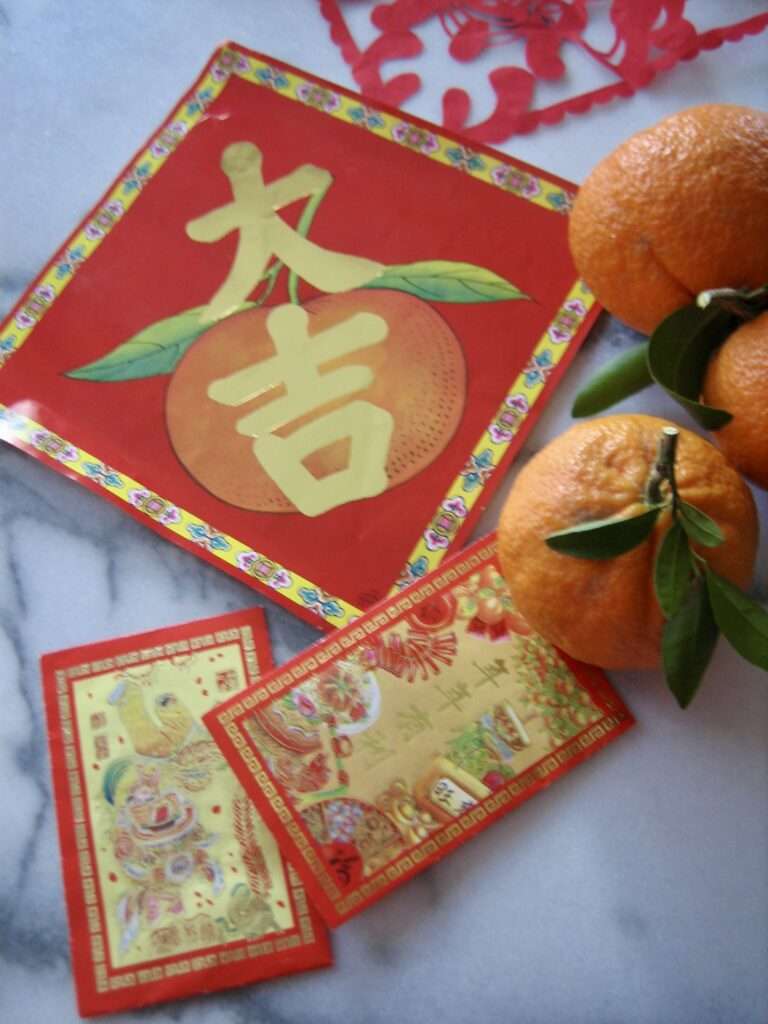
Happy Chinese New Year! Celebrate the Lunar New Year with a Chinese New Year Feast. Greet everyone with “Happy New Year” (Xīnnián kuàilè in Mandarin 新年快乐) or “Wishing you happiness and prosperity!” (Khiung Hee Fat Choy in Hakka or Gong Hay Fat Choy in Cantonese 恭禧發財).
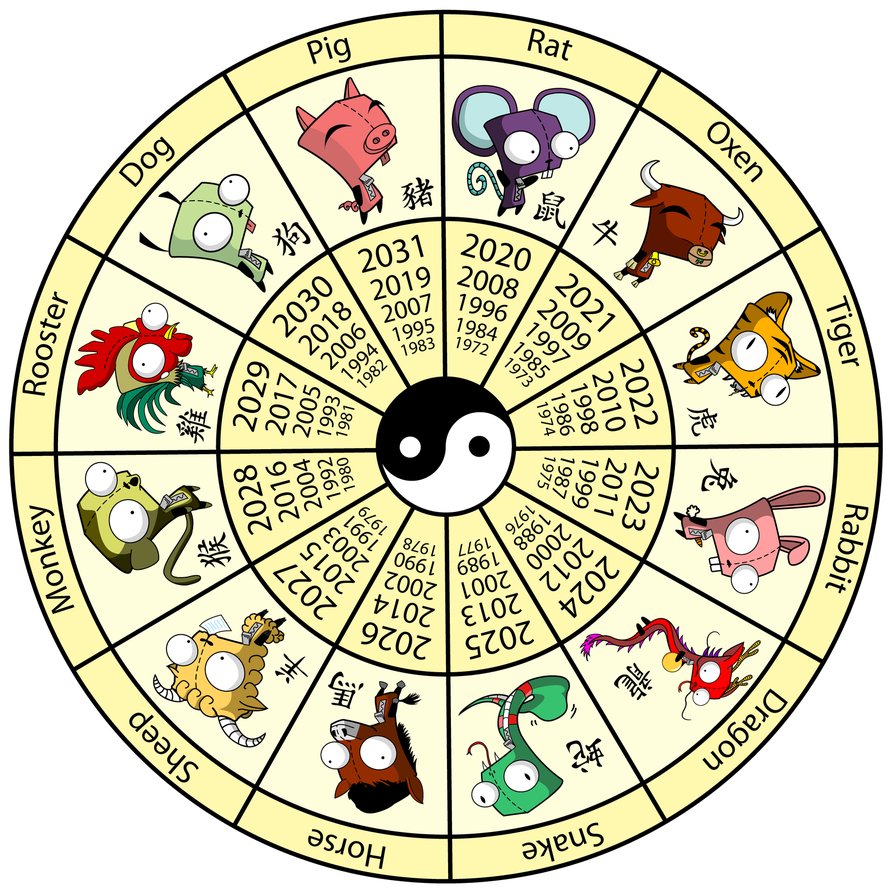
In 2026, February 17 marks the start of the Year of the Horse. On the Chinese horoscope, each year is dominated by an animal sign: Rat, ox, tiger, rabbit, dragon, snake, horse, goat, monkey rooster, dog, and pig. Each animal has special characteristics. If you were born in the year of 2014, 2002, 1990, 1978, 1966, 1954, and 1942, you are are a horse.
Some horoscopes describe people born in the year of the horse to be confident, intelligent, responsible, and stubborn. They like to be physically active and mentally challenged. Some forecasts for the horse show this may be a powerful year for growth and transformation. Balance your fire with calmness to make the most of this energy.
A family reunion feast starts the Chinese New Year celebration. Our family meal tends to be a cooperative effort with everyone sharing a dish. I’m scanning The Hakka Cookbook looking for recipes for our feast.
The table is traditionally filled with foods that send auspicious messages to attract wealth, luck, success, unity, longevity. Many foods eaten during the celebration have symbolic meanings. They may resemble or their words sounds like something that is auspicious.
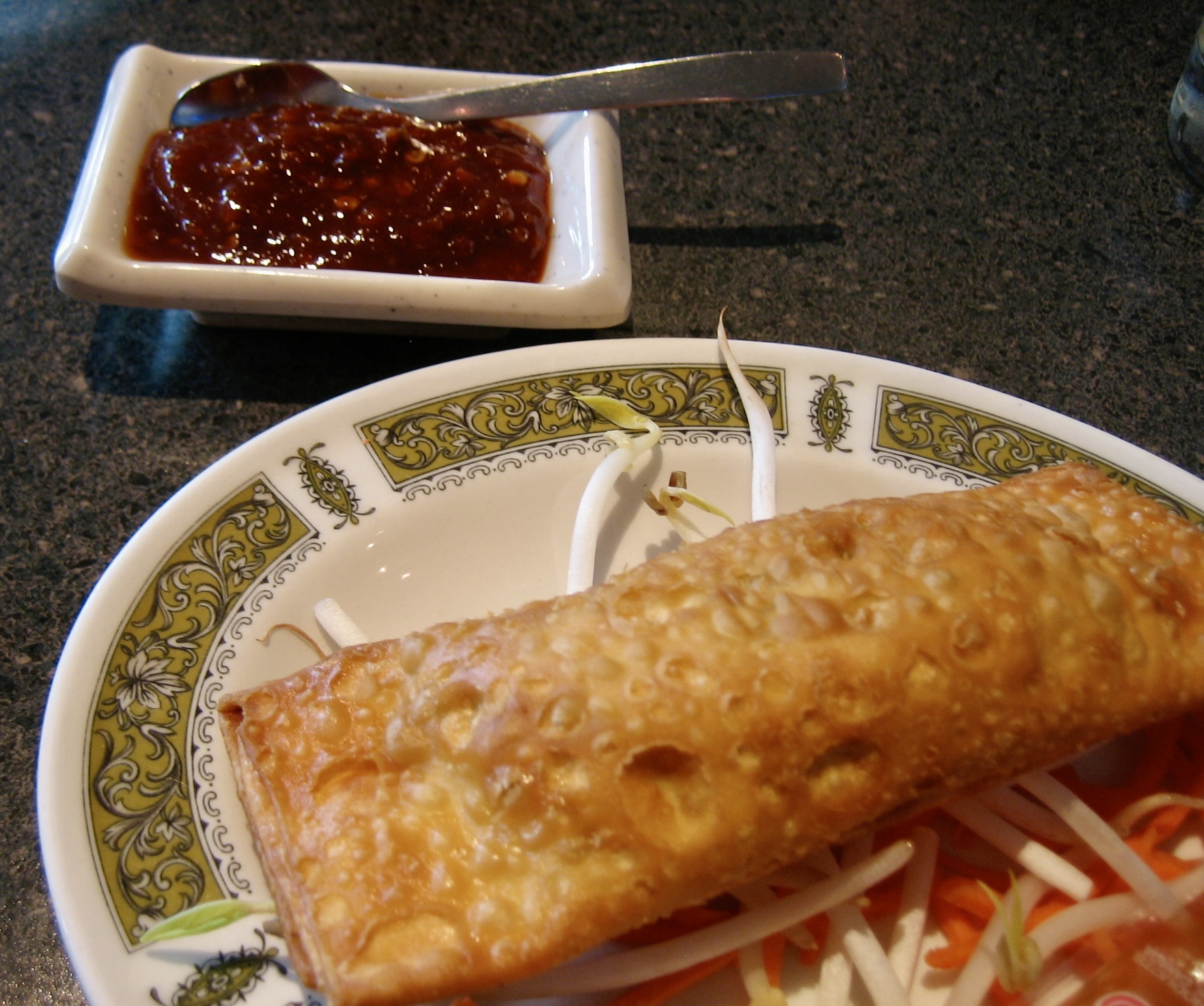
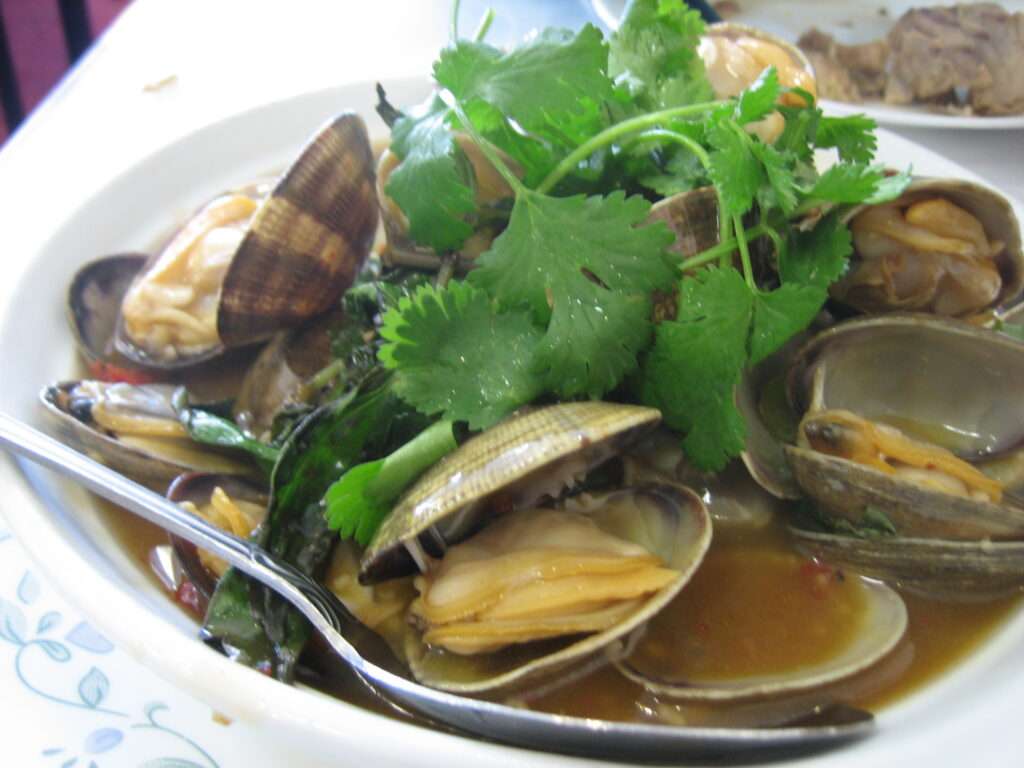
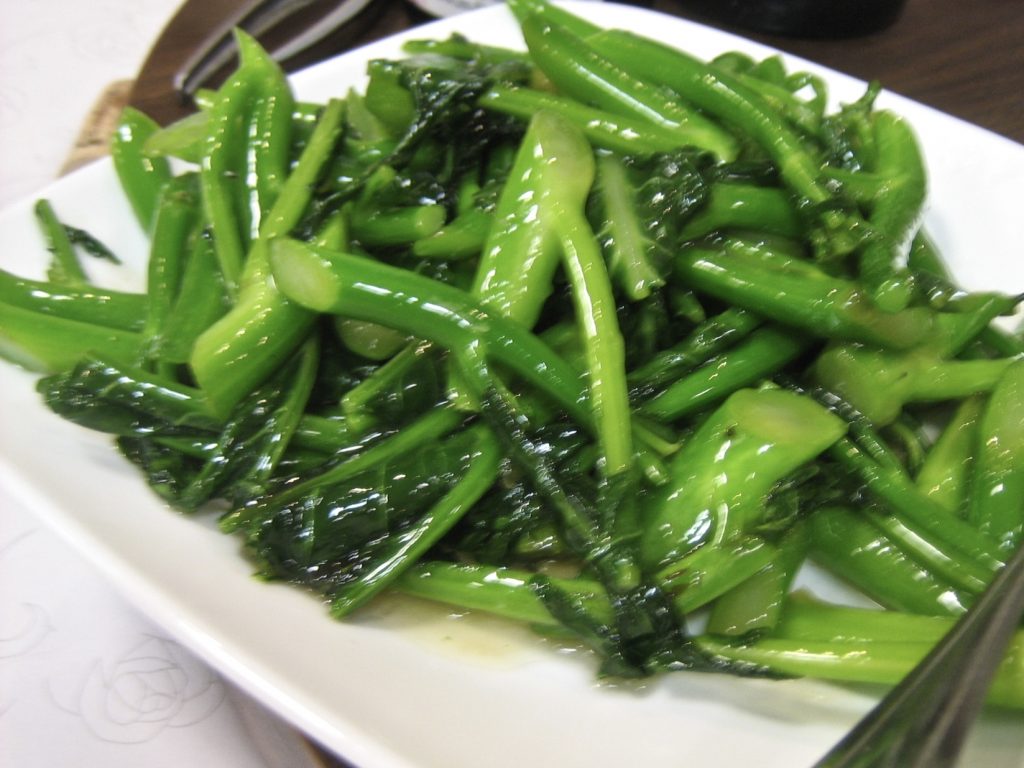
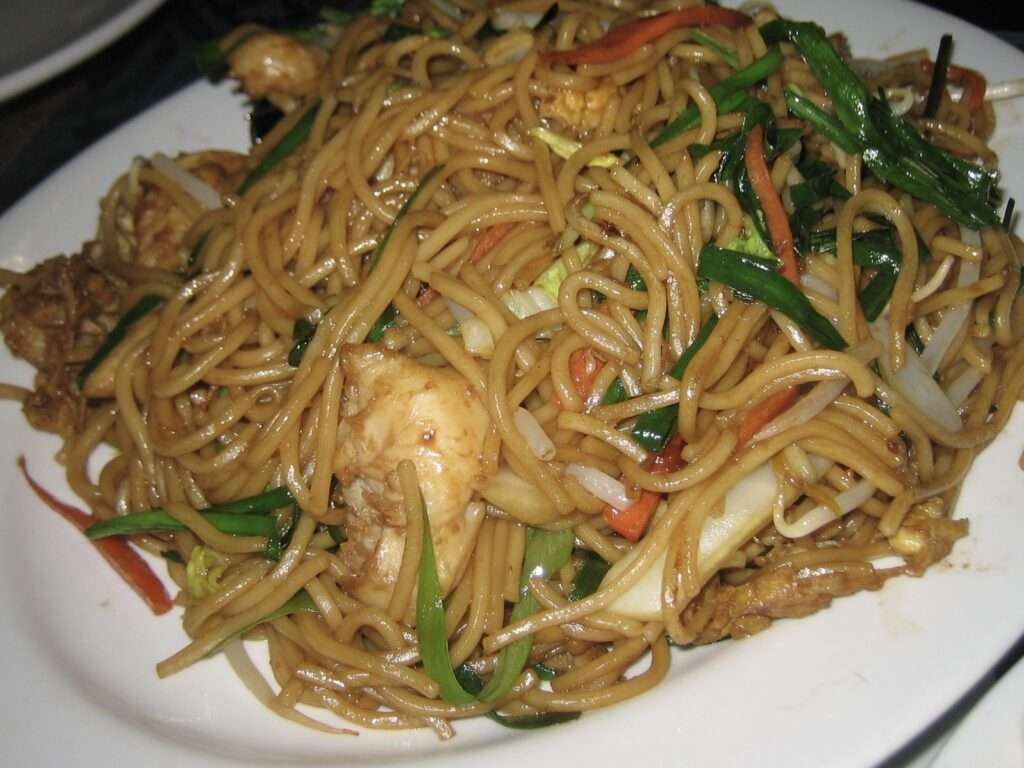
Spicy Egg Rolls resemble gold bars.Open clams represent new opportunities.Green vegetables suggest growth in business.Noodles symbolize long life.Round-shaped foods represent unity.
Egg or spring rolls look like gold bars. Consider the Spicy Egg Rolls (page 184) or the Hakka Egg Roll page 170).
Open clams represent new opportunities. Perhaps I might cook Chile-spiced Clams with Basil and Cilantro (page 231).
Green vegetables suggest growth in business. Some options include Chinese Broccoli in Sweet Rice Wine (page 230), Stir-fried Chinese Lettuce and Wine Rice (page 50), Stir-fried Iceberg Lettuce and Garlic (page 27), Stir-Fried Snow Peas and Tofu (page 48), or Stir-fried Spinach and Peanuts (page 56).
Noodles symbolize long life. Choose from Garlic Noodles and Shrimp (page 193), Noodles with Mushroom Pork Sauce (page 104), Soy-glazed Pork and Mushroom Noodles (page 208), or Sweet Soy Chow Mein (page 178).
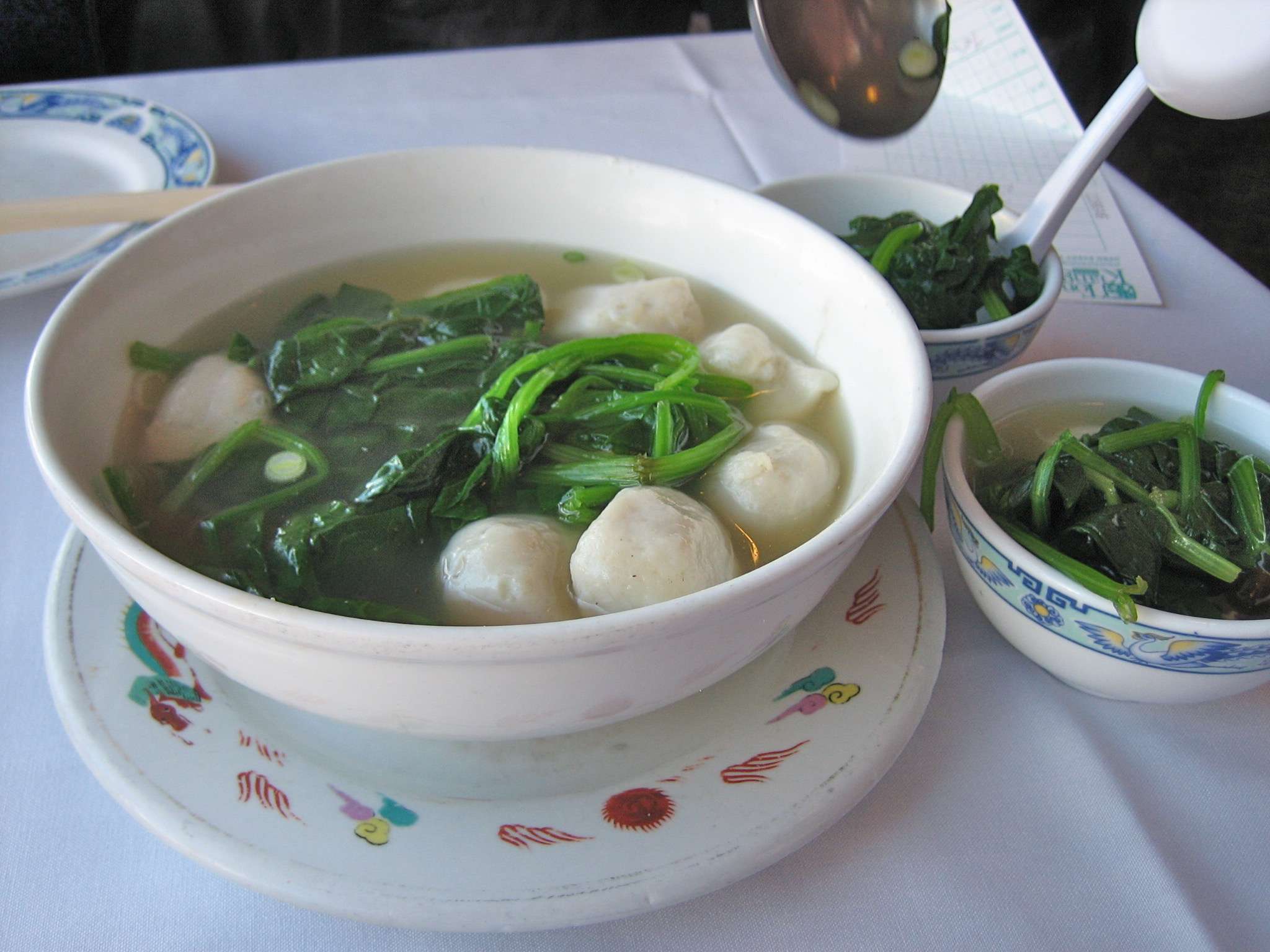
Round shaped foods represent unity. A Pork and Shrimp Ball Soup (page 213), Spinach and Fish Ball Soup (page 225), or Ginger Soup with Sweet Rice Balls (page 116) can bring the family together.
What will you eat for your Chinese New Year Feast? As long as you share food with family or friends, you start the year with good will and hope. Happy Year of the Horse! May it be full of joy, good health, prosperity, and peace!
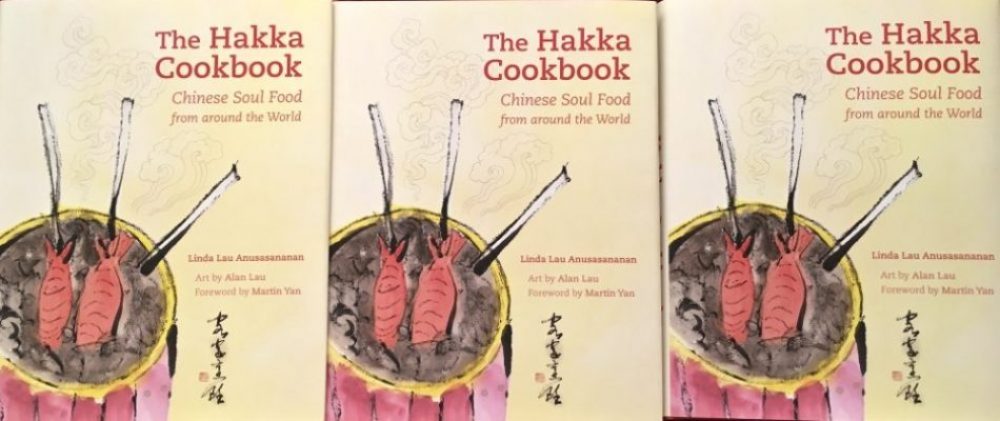
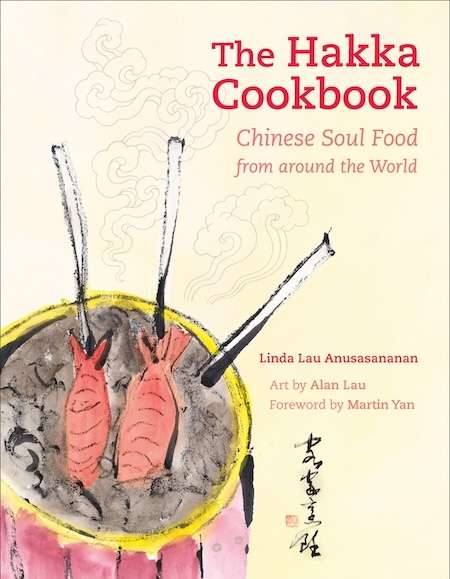
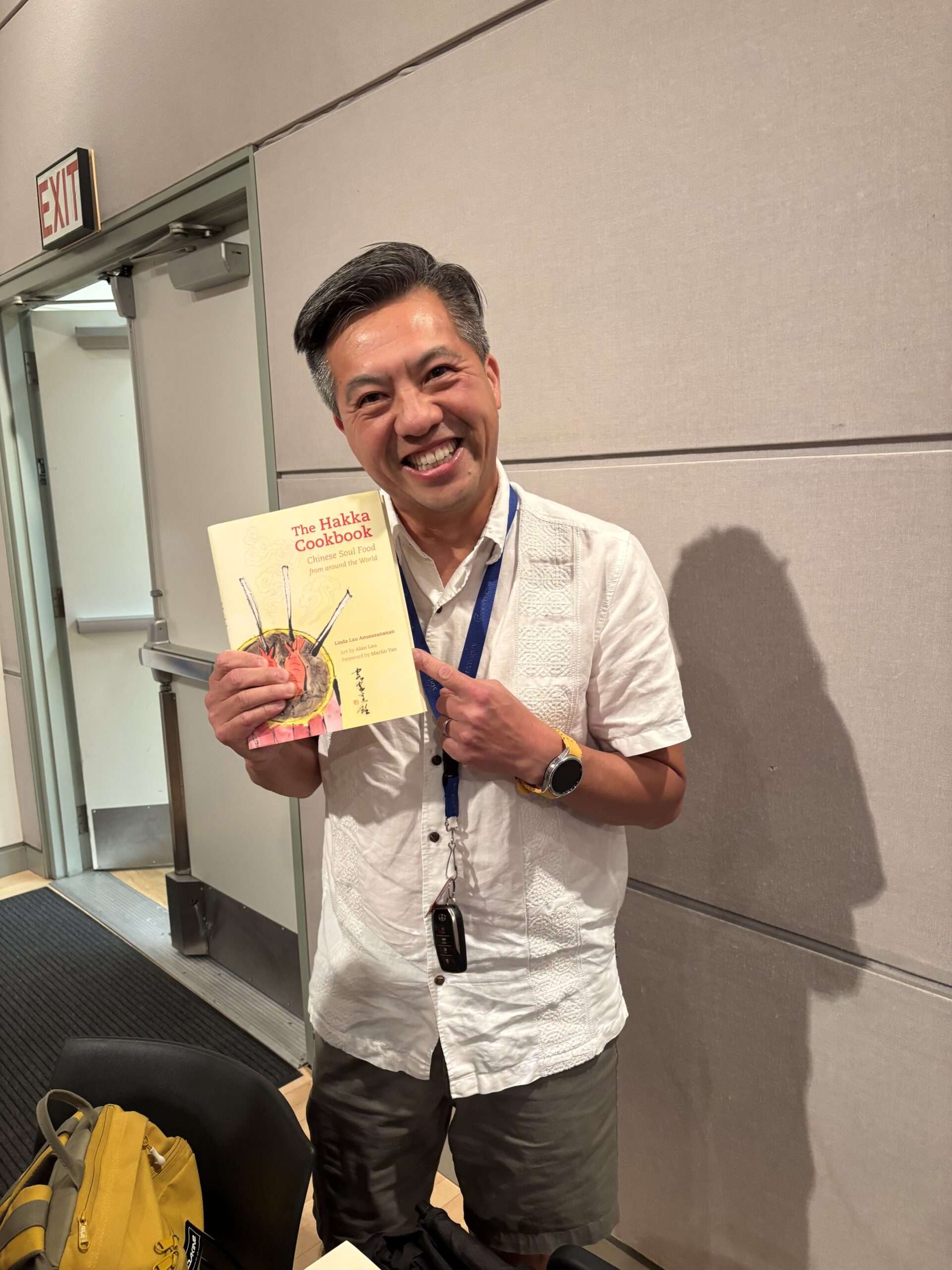
Looking for a holiday gift for someone with Hakka heritage? Consider The Hakka Cookbook, Chinese Soul Food from around the World. Named “Best Chinese Cuisine Cookbook” by the Gourmand World Cookbook Awards in 2013, its relevance endures.
It’s a perfect gift for one who wants to learn more about their Hakka history, identity, and cuisine. The book traces their struggles and migration across the world. Hakka from all over the world share their stories and recipes. I wrote the book especially for people like me, Hakka who didn’t know much about the history or people. Writing this book, helped me find my Hakka identity.
Ginger-scented Squash, Peas, and Lily Bulbs. Art by Alan Lau
If you’re a Chinese food and history enthusiast, this book leads you to discover a relatively unknown group of Chinese known as Hakka (guest people.) Their unique history of a long migration shaped their strong survival characteristics, culture and cuisine. Even if you are not Hakka, you’ll find many history and food discoveries in the book. Art by my brother, Alan Lau, gracefully flows through the book.
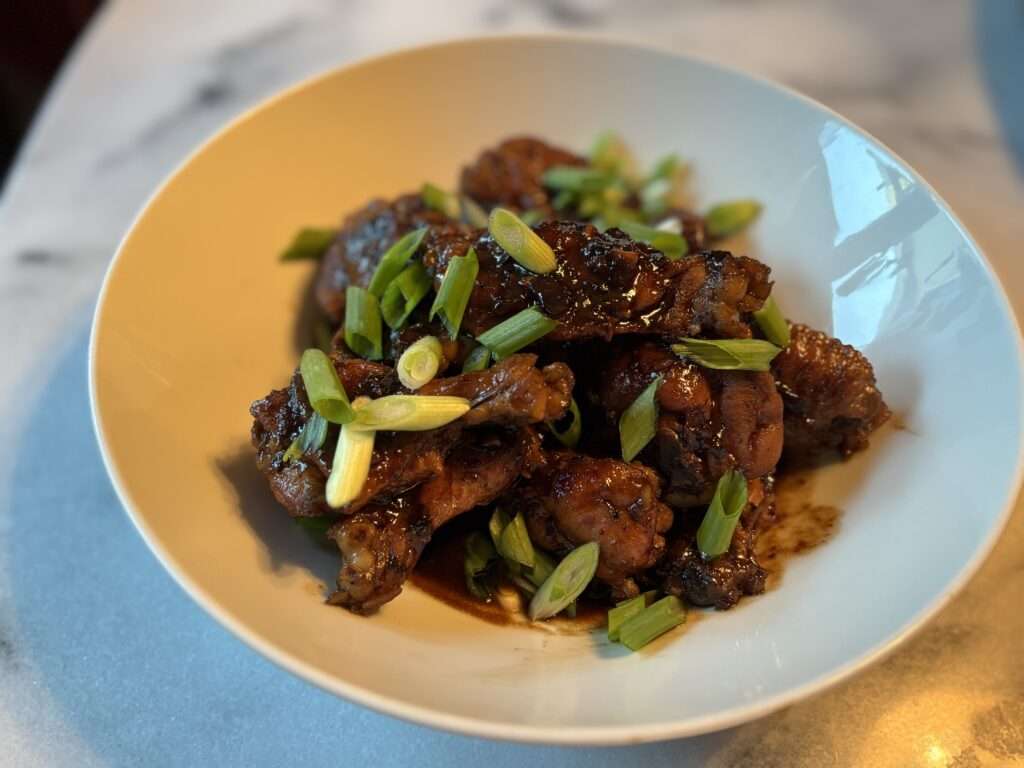
Chinese comfort food, easy, effortless, and satisfying, make up the bulk of Hakka cuisine. In this recipe, braise chicken wings with just a few ingredients to produce a comforting dish that will please hungry diners. The secret ingredient is Chinese bean sauce. The dark salty bean sauce imbues the soft, silky chicken flesh and resulting sauce with intense savoriness. A generous measure of freshly ground pepper adds a slight spicy kick. After one taste, you may return to this Chinese comfort food dish over and over.
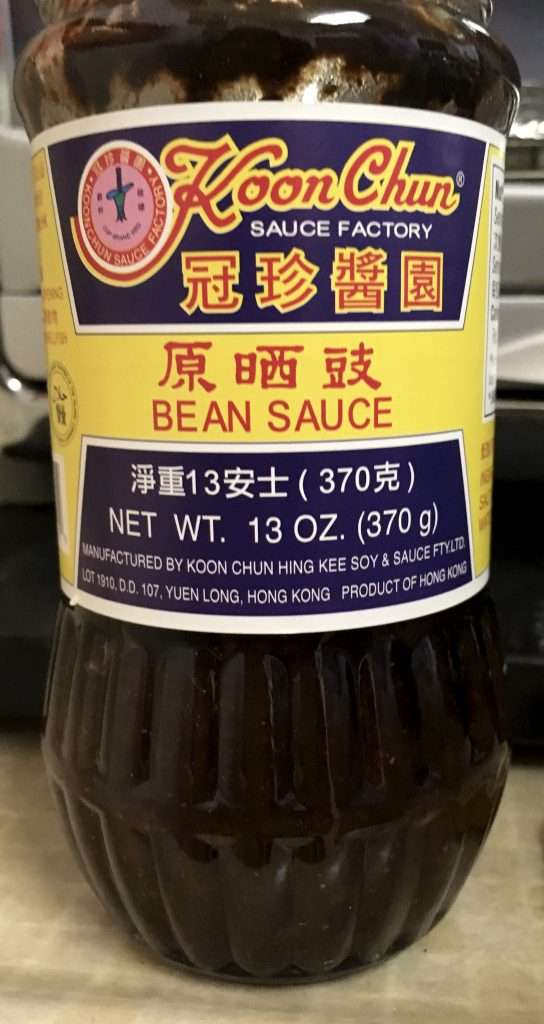
Secret Ingredient: Bean Sauce
Chinese bean sauce, aka known as Bean Sauce or Ground Bean Sauce is made with ground or whole fermented soybeans. The thick pasty sauce contributes a salty, pronounced fermented bean flavor, similar to soy sauce.
Look for the bean sauce in Asian supermarkets. If you can’t find it, shop for the more available hoisin sauce found in most supermarkets in the Asian sauce section. Omit the sugar when using the sweeter hoisin sauce.
Braised Chicken Wings in Bean Sauce
In a hot 14-inch wok or 5- to 6-quart over high heat pan, add 2 tablespoons salad oil. Add about 2 pounds chicken wing sections. Stir occasionally until wings are lightly browned. Stir in 2 tablespoons minced garlic. Add 2 cups water, 2 tablespoons bean sauce, 1 tablespoon eachsoy sauce and sugar, and 1/2 teaspoon freshly ground black pepper. Cover and simmer over low heat, stirring occasionally, until the wings are tender when pierced, 35 to 45 minutes. Add a little more water as needed, if the liquid evaporates before the chicken is done.
With a slotted spoon, transfer the wings to a serving dish. Skim fat off pan juices, and if the sauce tastes watery, boil, uncovered, to concentrate flavor and reduce the sauce to about 1 cup. Pour over the wings. Garnish with thinly sliced green onions or cilantro.
For more recipe details, see page 203 of The Hakka Cookbook. Serve with rice and stir-fried greens. Thanks to Fah Liong, my Hakka friend who taught me this easy and satisfying dish. Enjoy!
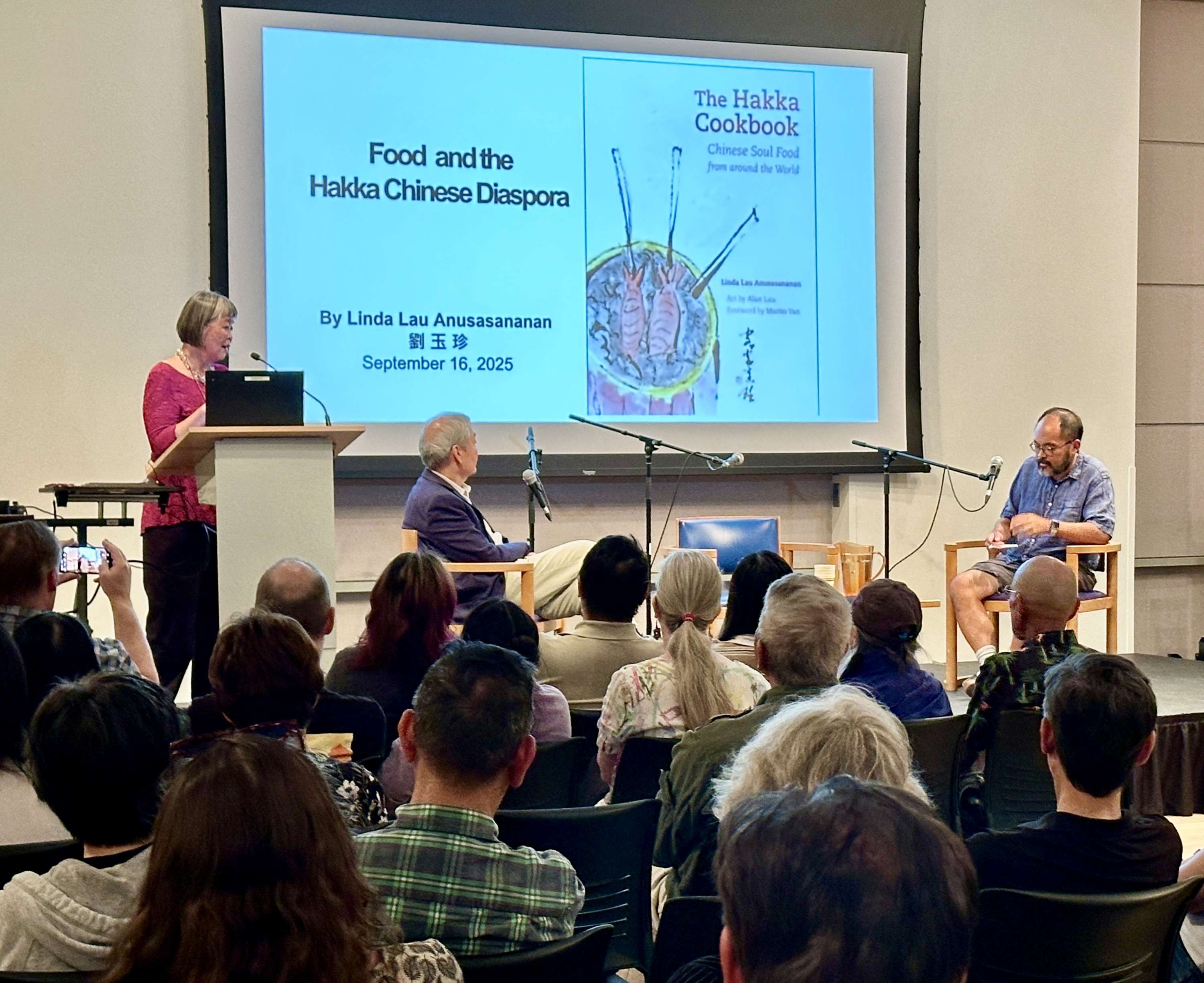
I couldn’t believe that 186 people registered for this free event. Even if not everyone showed up, this promised to be a good crowd. After a short video from Cheuk and a slide show from me, Kevin guided our conversation about food and the Chinese diaspora. We talked abouteating in Peru, strong Hakka women, authentic food, Hakka-Indian restaurants, recording recipes, pork belly, and much more. Since Cheuk and I both traveled the world to eat Chinese food to research our books, it was a fun and spirited conversation. View the discussion here.
The audience was the BEST–attentive, interested, and responsive. Many Hakka asked questions or made comments. I’ve always felt a warm welcome from my Canadian audiences. Thank you Vancouver!
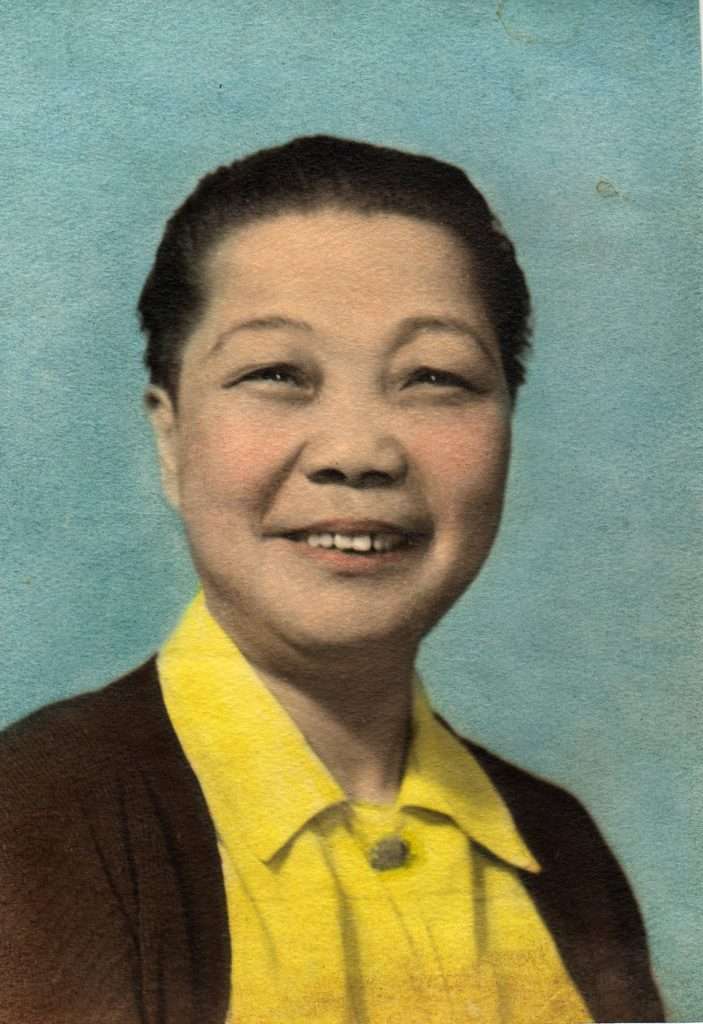
With the publication of the Chinese translation of The Hakka Cookbook in Taiwan, my audience grew. Recently the Taipei Hakka Cultural Quarterly, published by the Hakka Affairs Council of Taipei City Government asked me to write a personal story about family, Hakka cuisine, and memories. My story about my grandmother, ”My Hakka Savior” was just published in their online magazine.
I wrote about how my Hakka grandmother helped my family adjust and thrive in a small conservative town where we were the first and only Chinese. Her Hakka spirit with a strong work ethic, ability to adjust, and business savvy, guided our family to a path of survival in a difficult and stressful new environment.
I wrote the article in English and the magazine translated it into Chinese. Their design team cleverly worked visual elements of my story into the layout. If you can read Chinese, and would like to read the complete magazine, click this link.
To read a pdf that includes Chinese and English, download the following file or click this link.